




Construction: Building a Sustainable & Inclusive Future
What is Construction in the 21st Century?
Construction is no longer just about bricks and mortar; it is the front line. The UK has legally committed to reaching Net Zero by 2050. Today’s industry involves high-tech design, digital engineering, and the creation of "smart" environments. From carbon-neutral skyscrapers to retrofitting historic homes with green technology, construction is a sector defined by innovation and environmental stewardship.
What are some different jobs in construction?
Whether you are working on a local housing project or a national nuclear site, these roles are becoming increasingly technical and "green." Many overlap with our Environment and Sustainability and Nuclear Energy pathways.
- Architects: Designing buildings that are not only beautiful but carbon-neutral. Modern architects use "Biophilic Design" to integrate nature into urban spaces.
- Civil Engineering: Focuses on the infrastructure that makes modern life possible—from flood defences to high-speed rail—ensuring our cities are resilient to climate change.
- Nuclear Construction Specialists: Professionals who understand the unique safety and material requirements for building nuclear reactors.
- Construction Managers: The project leaders. They use real-time data and AI to oversee site safety, manage budgets, and ensure projects meet strict environmental standards.
- Quantity Surveyors: The "financial architects" of a project. They now perform "Carbon Costing," calculating the environmental impact of materials alongside the financial cost.
- Engineers: Designing and overseeing the construction of structures and infrastructure using cutting-edge, sustainable materials.
- Electricians: A critical role in the "Green Revolution," installing EV charging networks and smart-home energy systems.
- Plumbers and Heating Engineers: Transitioning from gas boilers to low-carbon solutions like Air Source Heat Pumps.
- Carpenters and Joiners: Working with sustainable timber and modern furniture-making techniques that reduce waste and store carbon.
- Painters and Decorators: Specialising in eco-friendly, non-toxic finishes and thermal coatings that help buildings retain heat.
- Scaffolders: Essential for safely accessing complex heights, particularly for the massive "Retrofitting" movement—upgrading old buildings for energy efficiency.
- Crane Operators: Precision specialists who use advanced simulators and remote technology to move heavy, pre-fabricated modular units into place.
Why is it a "Future-Proof" Career?
The UK has legally committed to reaching Net Zero by 2050. To achieve this, the industry needs a new generation of professionals to:
- Retrofit the Nation: Upgrading millions of homes with energy-efficient insulation.
- Innovate with Technology: Using Building Information Modelling (BIM) to create digital "twins" of buildings to simulate energy efficiency.
- Embrace the Circular Economy: Moving toward "deconstruction and reuse," ensuring building materials never go to landfill.
How to Start Your Journey
The "Work Ready" guarantee at The Cottesloe School ensures you have access to the best pathways:
- Green Apprenticeships: Earn while you learn with firms like BAM Construction or Skanska, who are pioneers in sustainable building.
- T-Levels: Explore the T-Level in Design, Surveying and Planning for Construction, a qualification designed by employers to be future-ready.
- Higher Education: Degrees in Civil Engineering, Environmental Design, or Quantity Surveying now focus heavily on carbon accounting.
Breaking Barriers: Women in Construction
The face of construction is changing. In the UK, women are leading the way in everything from site management and civil engineering to sustainable architecture.
- Diverse Perspectives: A diverse workforce leads to better problem-solving and innovation, essential for tackling the climate crisis.
- Modern Workspaces: With the rise of digital design and off-site manufacturing, construction offers flexible, tech-driven career paths that suit everyone.
- Support Networks: Organisations like Women into Construction provide mentoring and pathways for female students to enter this high-paying, high-impact sector.
Morgan Sindall Partnership
We have a partnership with Morgan Sindall
- Morgan Sindall Group PLC has an annual turnover of £3.4bn
- They are the second-largest construction contractor in the UK.
Want to find out more about careers in Construction?
Women in Construction
Education and Career Path |
|
Bedford College – Level 4 Construction Management (September 2023 - Present) |
|
Milton Keynes College – Level 3 Business Administrator (November 2021 ) |
|
Joined the shared apprenticeship scheme as an Admin Apprentice - 2021 |
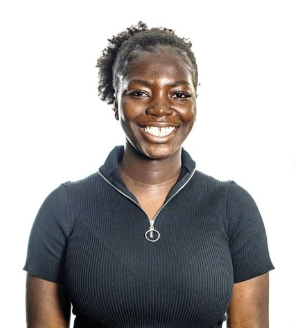
- My name is Christabel Adjei, I am an Apprentice Site Manager for Morgan Sindall.
- Within my role, I assist with planning, coordinating and overseeing the daily works on site. I work closely with other site managers to ensure safety on site whilst staying on the programme and keeping on budget, the ‘go-to’ person on-site making sure every part of the construction puzzle fits together. Learning/thinking and troubleshooting – every day is a learning day.
- The key skills I find useful for my role are time management, strong communication and attention to detail.
Women working in construction and engineering is on the increase. 37% of new entrants into the construction industry that come from higher education are women.
https://www.goconstruct.org/why-choose-construction/diversity-in-construction/women-in-construction/